

Captain America: The Winter Soldier Review
- Feb 28, 2018
- 3 min read
"The price of freedom is high. It always has been. But it's a price I'm willing to pay." - Captain America
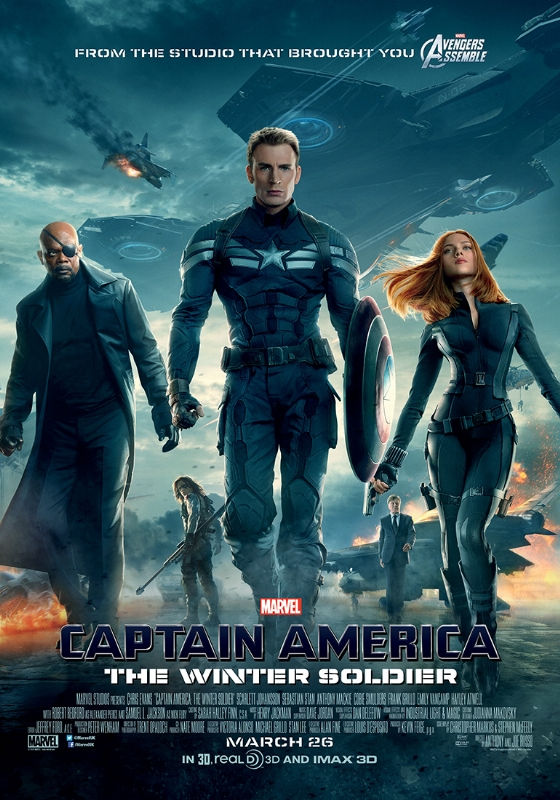
Those who say comics are not meant to be political have never read a Captain America comic. Captain America: The Winter Soldier has everything a blockbuster film can ask for: heart-stopping action scenes, an intense plot, and *gasp* a political discussion. The sequel involves Steve Rogers adjusting himself to society and what that means. SHIELD Director Nick Fury informs Rogers of a new project, Project Insight, that can detect and eliminate a threat before it even occurs. While Fury believes it would create more peace, Cap thinks it is"holding a gun to everyone on Earth and calling it protection." This is clash of the same America with different morals. Fury is the new America. He relies on technology (i.e. satellites, cell phones, etc.) to track people and eliminate any threat. Not only is this an invasion of privacy but also refutes the claim "innocent until proven guilty." On one side he does have a point. How much has to be done to categorize someone as a threat? Are they identified after a life is already lost? But this is why the Captain America character fits best for this plot. Rogers is a man lost in time. He represents an older generation that sticks on morals and principals rather than profit or power. He understands the risk and weight of waiting for someone to be posed as a threat, but it's the only way to ensure that people can live among themselves without feeling monitored. What I think audience members should take away from this is that there might not be a right answer but it creates an open space for dialogue.
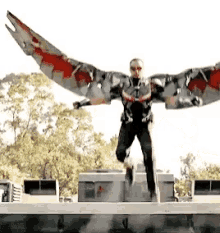
The film features the debut of the most future Avengers so far. We already saw Bucky Barnes in the first Captain America, but this is the first he is introduced as the Winter Soldier, a trained assassin. Barnes is basically a computer who is told his next target and ordered what to do without question. Even though he is presented as a villain, Rogers still identifies him as his old friend and refuses to fight him. These are the morals of Captain America being shown. He let's friendship reign over violence between the two. Another character to make their debut is Sam Wilson, aka Falcon. As in the comic books, Falcon is displayed as Captain America's sidekick and follows him onto dangerous adventures. What I love about how his character is introduced is the film gives hints only comic book readers would understand. For example, when Sam presents his folder to Rogers and Black Widow it is written in bold font "Falcon." Sam's outfit is a great modern modification from the comics. It stays true to the look and explains how his flying skills are powered. Not only is he a great fighter, but also someone can be trusted and relied on. Lastly, a post-credits scene shows briefly the twins Scarlet Witch and Quicksilver. While the film shows little of their powers, an avid comic reader knows she has telekinesis and he runs fast. Not only is their inclusion vital for the already super-packed Cinematic Universe, but pinpoints the location of Loki's staff (which has been absent since The Avengers). All make their existence known in the franchise and we have yet to see their potential and contribution to Marvel films.
The greatest part of the film is the plot's twist: SHIELD is compromised by Hydra. Not only was it a twist that was totally not seen, but it creates dramatic tension within SHIELD. The scene shown above continues with SHIELD and Hydra agents pointing guns at each other. Officers refuse to take orders and stand by till they can prove what Captain America said about Hydra is true. The tension is so intense it can be cut like butter. You don't know who to trust and who is an ally. What also makes this twist so powerful is it's connection to the TV show Agents of Shield. Its plot line correlates at the film's time of release. If viewers watched the film opening weekend then by the time they turned in for the next episode it occurs concurrently with the plot. Thus continues the film's plot onto television. Bravo to Marvel for experimenting with another viewing formula.
Final Score: 10/10
The film contains everything needed for a great superhero flick: an inspiring hero, a great villain, and a jaw-dropping plot. Marvel hits another homerun.


Comments